Historic Villages Route of Cilento
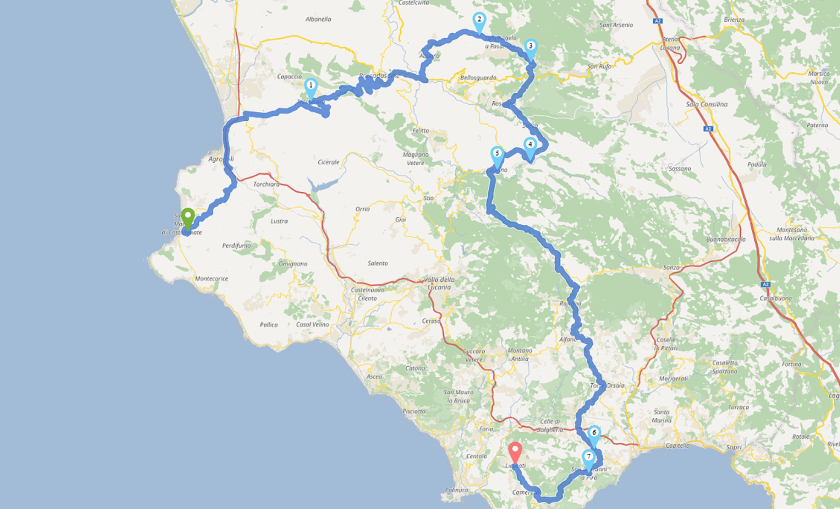
Day 1
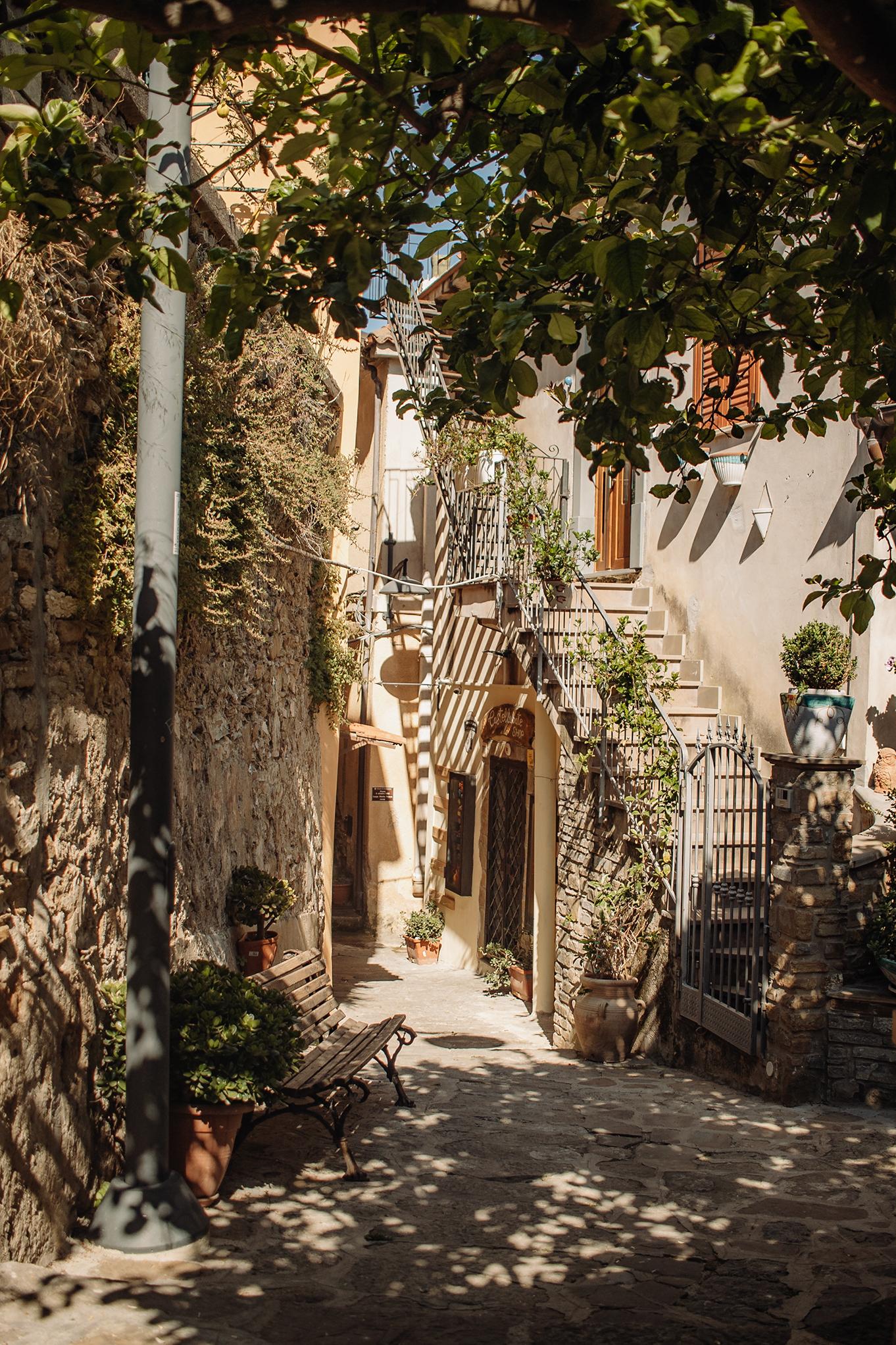
The journey begins in Castellabate, a medieval village perched on a hill overlooking the Cilento coastline. Stone alleys, ancient arches, and hidden squares lead visitors towards the Castello dell’Abate, a centuries-old witness to local history.
📌 From the Belvedere di San Costabile, the view embraces the entire Cilento coast, stretching as far as the outline of Capo Palinuro.
In the afternoon, the route moves inland: nestled on the slopes of the Monti Alburni, Trentinara dominates the Valle del Sele, offering spectacular landscapes. Known as “the terrace of Cilento”, this ancient village combines quiet alleyways, breathtaking viewpoints, and fascinating stories linked to local myths and legends.
📌At sunset, its panoramic terrace offers an unforgettable spectacle.
Day 2
The itinerary continues into the heart of inland Cilento, among stone villages immersed in the tranquillity of the mountains. Ottati preserves the rural identity of the inland area, while Corleto Monforte stands out for its medieval layout and the authentic atmosphere typical of high-altitude communities.
💡The roads crossing this part of the Parco Nazionale del Cilento, Vallo di Diano e Alburni offer pristine routes through dense forests and silent valleys.
Piaggine welcomes travellers with landscapes dominated by the profile of Monte Cervati, the highest peak in Campania, while nearby Laurino surprises with the charm of its stone architecture and medieval bridges crossing the waters of the Fiume Calore. Among ancient fountains, monumental stairways, and traditions passed down through generations, time seems to have slowed its pace.
Day 3
The third day descends towards Basso Cilento. The historic village of Bosco tells one of the most intense chapters of local Risorgimento history, connected to the uprisings of 1828, in an atmosphere full of memories and surrounded by gentle hills. Not far away, San Giovanni a Piro dominates the Golfo di Policastro from a spectacular position, creating a perfect meeting point between sea and mountains.
📌 From the panoramic viewpoints of San Giovanni a Piro, the view opens majestically over the coast of Scario and the cliffs leading towards Capo Palinuro.
💡In Bosco, visitors should not miss the famous maiolica murals and the Casa Museo di José Ortega, dedicated to the great Spanish painter who chose this village as his creative refuge.
The final stop is Licusati, a hamlet in the inland area of Camerota, completely surrounded by centuries-old pisciottani olive groves. Quiet streets and ancient rural houses reveal the most authentic face of local countryside culture, offering a peaceful retreat away from mass tourism.
📌 The surroundings of the village preserve ancient hiking trails, such as the old monks’ paths, connecting the mountains directly to the coastal coves.
Gallery
