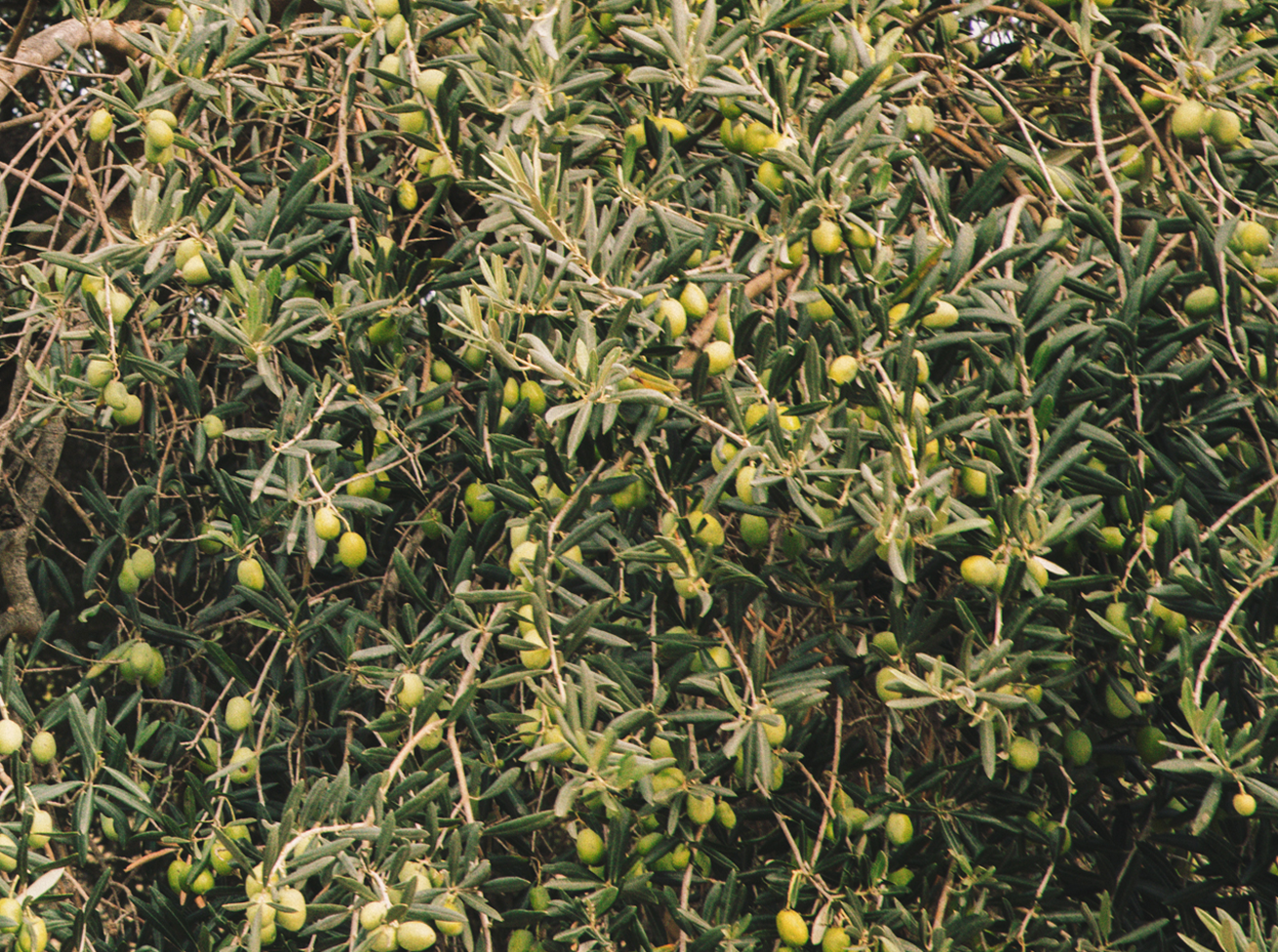
The Cilento Olive Oil Route
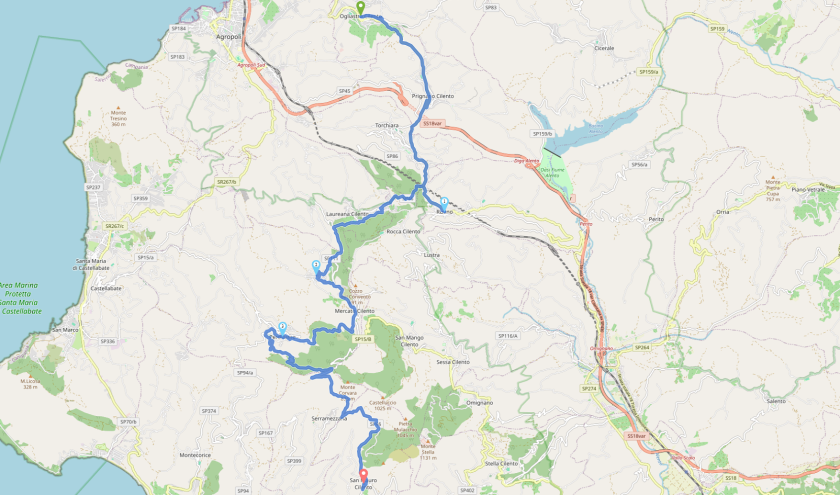
Day 1 – Ogliastro Cilento and Rutino: among olive groves and rural traditions.
The itinerary begins in the ancient village of Ogliastro Cilento, perched on a panoramic hill overlooking the Paestum plain. It is the ideal place to meet small producers who preserve native olive varieties such as Rotondella, Ogliarola and Salella*, discovering the secrets of cold extraction. The table celebrates the Mediterranean Diet through a gastronomic story made of ancient gestures: lagane and chickpeas, stuffed aubergines, the character of caciocavallo cheese and the sweetness of figs, all enhanced by the local “green gold” of extra virgin olive oil.
*Salella Ammaccate del Cilento olives are a true local tradition: each olive is crushed by hand with a sea stone, pitted and preserved in oil. They are the essential local appetizer.
The journey continues towards Rutino, a village surrounded by olive groves and vineyards, overlooking the landscape from Monte della Stella to the shimmering coastline. Walking through the historic centre reveals an authentic rural identity, made of silence and slow rhythms. A visit to a modern continuous-cycle olive mill shows how technological innovation preserves the essence of Cilento DOP Olive Oil.
📌 The experience can be enriched with a stop at a local winery, where regional wines meet artisanal cured meats and cheeses.
Rutino celebrates a cuisine deeply rooted in the land: handmade pasta, fresh vegetables and the aroma of wood-fired bread. The day ends in the peaceful atmosphere of an agritourism among the hills, where the discovered flavours return as protagonists in a setting of complete authenticity.
💡Beyond extra virgin olive oil, these lands are also the kingdom of the White Fig of Cilento, a symbolic ingredient and the soul of countless traditional artisanal preparations.
Day 2 – Perdifumo, San Mauro Cilento and the culture of olive oil
The second day leads to Vatolla, known for Palazzo Vargas, where the philosopher Giambattista Vico lived. The village is famous for the Vatolla Onion, a Slow Food Presidio appreciated for its unique sweetness and considered a cornerstone of local cuisine.
Nearby lies Perdifumo, a village where agricultural tradition is not just a memory but a living part of everyday life. The rural landscape blends with a gastronomic culture based on genuine ingredients and vibrant flavours.
A stop at an agritourism allows visitors to discover the cuisine of the land: humble legumes, wild herbs and the traditional Cilento pizza. Among the local excellences are soppressata and goat cacioricotta, to be enjoyed with the traditional “impaccati” figs.
💡Many farms and agritourism facilities offer guided tastings: a sensory journey to learn how to recognise the notes of fruitiness, bitterness and spiciness, discovering the perfect pairing with “cicciata”, the ancient local ritual dish based on legumes.
In the afternoon, the route climbs towards San Mauro Cilento, the “City of Oil”. Surrounded by a sea of silver-coloured centuries-old olive trees, this village is the beating heart of Cilento’s olive oil production. Walking among the twisted trunks of ancient trees and visiting historic cooperatives means experiencing the true essence of the Mediterranean Diet.
The landscape reveals itself through aromas of tomato leaves and freshly cut grass, offering a final immersion in mountain cheeses and cured meats. The day comes to an end as the view descends from the hills towards the sea, in the silence of a landscape that embodies the proud soul of Cilento.
💡Although the landscape is beautiful all year round, the most magical period for this itinerary is between mid-October and November, when olive mills are fully active and the scent of freshly pressed oil fills the streets of the villages.