Cilento: A Journey Through Flavours
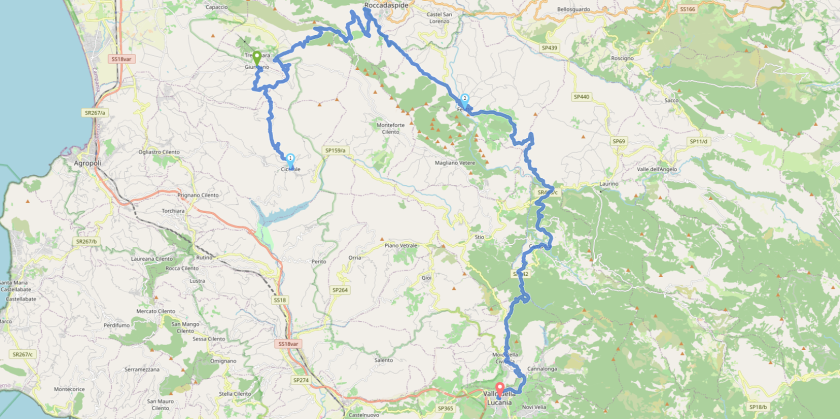
Day 1 – Giungano and Cicerale: traditions and flavours
The itinerary begins in Giungano, a medieval village surrounded by centuries-old olive groves overlooking the Golfo di Salerno. A short distance from the centre, the Gola di Tremonti offers breathtaking natural views, ideal for a relaxing walk immersed in the scents of the Mediterranean maquis. A stop at a local farmhouse provides the opportunity to discover the ancient pizza cilentana: a rural heritage topped with homemade tomato sauce and a generous grating of cacioricotta and wild oregano.
💡In August, Giungano comes alive with the Festa dell’Antica Pizza Cilentana. Throughout the year, many local farms offer workshops where visitors can learn the art of preparing this historic dough.
The journey continues towards Cicerale, the “land that nourishes chickpeas”, perched on a hill overlooking the Valle dell’Alento. Here, the cece di Cicerale (Slow Food Presidio) reigns supreme: small, golden and rich in flavour. Visiting a local farm allows guests to observe traditional harvesting and stone grinding processes, which preserve the quality and authenticity of this legume.
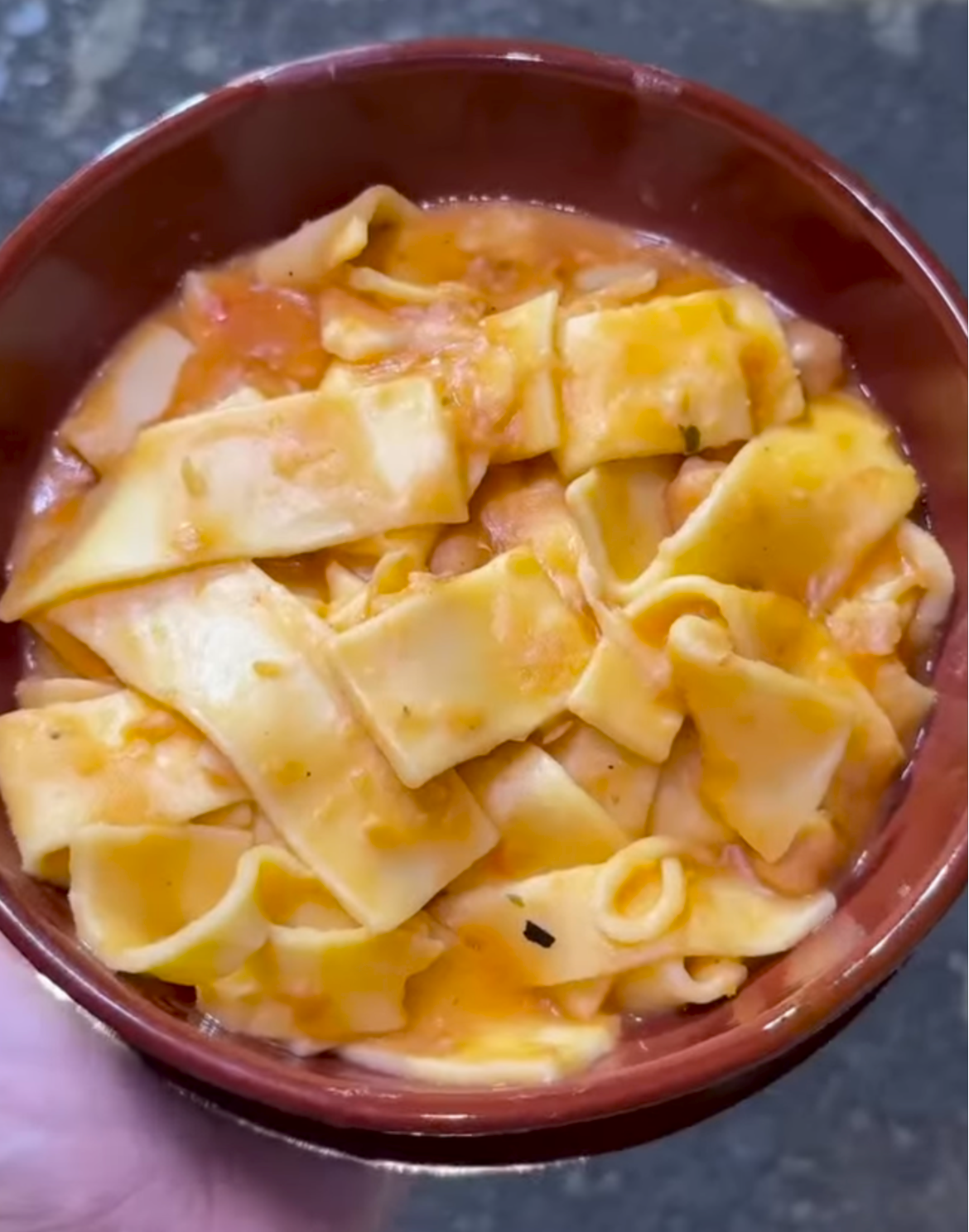
The day ends with a dinner where lagane e ceci – strips of fresh pasta flavoured with garlic and chilli – represent the essence of local conviviality. Among soups, legume meatballs and sweet variations such as chickpea tart, the palate also discovers extra virgin olive oil and artisan cheeses, true pillars of the local identity.
💡Pair the dishes with a glass of Cilento DOC wine and end the experience with the sweetness of fichi bianchi del Cilento DOP.
Day 2 – Felitto and Vallo della Lucania: the art of craftsmanship and wine culture
The second stage leads to Felitto, a village nestled in the Parco Nazionale del Cilento, Vallo di Diano e Alburni, where the rocks and waters of the Gole del Calore create a landscape of extraordinary beauty.
Felitto is the undisputed home of the fusillo felittese, a handmade pasta shaped with a thin iron tool, following a technique that requires time, skill and craftsmanship. Its perfect pairing is with ragù di castrato, a rich and intense sauce that tells the story of traditional festive cuisine.
📌 Taking part in a cooking class in a private home or farmhouse is the best way to discover the secrets of this artisanal pasta through hands-on experience.
In the afternoon, the journey continues towards Vallo della Lucania, the vibrant centre of the area. Here, food and wine become culture through historic wineries and traditional shops. The region is renowned for the excellence of its vineyards: Aglianico, bold and structured, and Fiano, elegant and mineral, as well as the famous Mozzarella nella mortella (wrapped in myrtle branches).
💡Wine tastings in cellars, often overlooking olive groves, offer a sensory journey through artisan cured meats and wood-fired bread, celebrating the balance between people and nature.
To conclude the itinerary, visitors can enjoy dinner in a gourmet restaurant, where the flavours of land and sea are reinterpreted through modern techniques, creating a perfect balance between tradition and creativity.
Gallery
